How to Improve Your Credit Rating (Simple Steps That Actually Help)
I’ve never been refused credit, but that’s not down to luck. It’s mostly because I’ve paid attention to a few boring but important habits over the years, the sort of things that don’t feel urgent until suddenly they are.
Your credit rating quietly affects far more than just loans and mortgages. Mobile phone contracts, car finance, insurance quotes, and even renting a flat can hinge on it. And once something goes wrong, fixing it usually takes months, not days.
This guide isn’t about chasing a perfect score. It’s about keeping your credit rating healthy, avoiding common mistakes, and making sure you don’t pay more than you need to later on.

Who this guide is for
This post is for you if:
• You haven’t had credit problems, but want to avoid them
• You rent and want your payments to actually count
• You want to understand credit properly without obsessing over numbers
If you’re already struggling to open accounts or get approved, I’ll point you to more specific help where it makes sense.
Why your credit rating matters (even if everything seems fine)
Most people only think about their credit rating when they’re applying for something big. But lenders use it as a shortcut to judge risk, and that spills into everyday decisions.
A weak or messy credit file can mean:
Higher interest rates
Lower credit limits
Being pushed onto “specialist” products you don’t really want
Mobile phone contracts are a good example. Many people don’t realise these involve a credit check until they’re declined, if that’s something you’ve run into, I’ve covered mobile phone contracts with bad credit separately in more detail.
What exactly is a credit rating?
Think of your credit rating as a financial track record rather than a score to chase. It shows lenders how you’ve handled money in the past, whether you pay on time, how much credit you use, and how stable your situation looks.
Paying bills on time and keeping balances sensible makes you look low risk. Missed payments, maxed-out credit cards, or lots of recent applications do the opposite.
Who keeps track of your credit in the UK?
Your credit file is held by three main agencies: Experian, Equifax and TransUnion. Lenders don’t all use the same one, which is why your report can look different depending on where you check.
They collect data such as:
Payment history from banks, lenders and some utility providers
Your address history and financial links to other people
Electoral roll registration
Court records like CCJs, bankruptcies or IVAs
Do the actual scores matter?
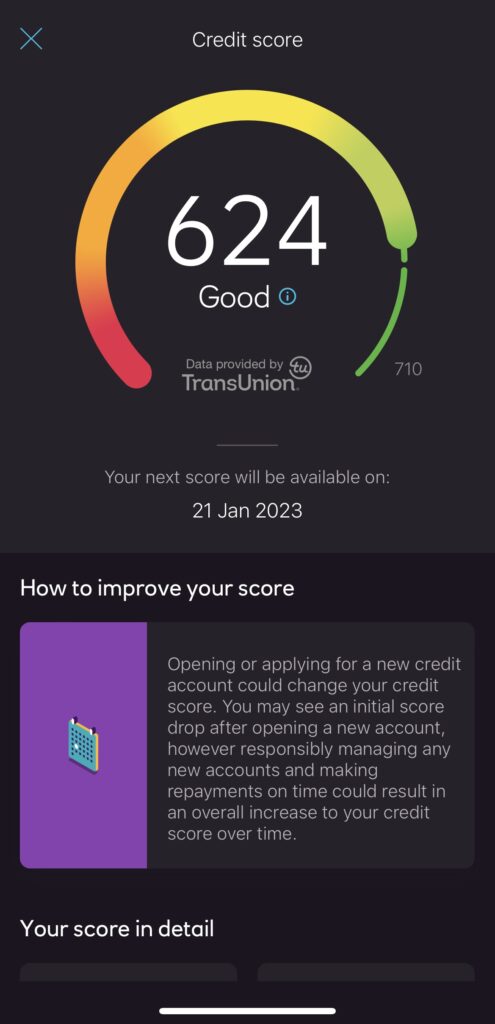
Each agency gives you a number, but lenders don’t see that score. They look at the underlying information and apply their own criteria.
I check my credit report once or twice a year, mainly to make sure everything’s accurate. I don’t worry about small score changes; I focus on whether the information itself looks sensible and consistent.
10 practical ways to improve your credit rating
1. Register on the electoral roll
One of the quickest wins. It confirms your identity and address, and lenders really care about that.
2. Keep your address consistent
Make sure your bank, credit cards, phone provider and utilities all use the same current address. Inconsistencies cause unnecessary friction.
3. Always pay on time
Even one missed payment can stick around for years. A direct debit for at least the minimum amount is the simplest safety net.
4. Avoid making lots of credit applications
Multiple applications in a short period can make you look desperate. If you’re rejected, pause before trying again.
5. Close old, unused accounts (selectively)
Unused credit can look messy, but don’t close everything at once. Keep your main, well-managed accounts and ditch anything you genuinely don’t need.
6. Use savings to clear expensive debt
I once cleared a store card with savings and instantly freed up over £25 a month in interest. Debt interest nearly always beats savings rates.
7. Check your financial links
Old joint accounts with an ex can still link your finances. If those links aren’t needed anymore, get them removed.
8. Avoid cash withdrawals on credit cards
They look risky and come with brutal fees. If you need overseas cash, a specialist card like the Halifax Clarity card is far cleaner than using a standard credit card.
9. Get credit for bills you already pay
If you rent, this is one of the most overlooked ways to strengthen your credit file.
Canopy allows renters to report on-time rent payments to credit agencies, helping build a positive history without taking on new credit.
CreditLadder does something similar, reporting rent payments directly to Experian. If rent is your biggest outgoing, it makes sense for it to count.
These won’t fix serious issues overnight, but they can steadily improve your file using the payments you already make.
10. Rebuild slowly if you need to
If your credit history is thin or damaged, slow and steady wins. Credit builder tools can help, but don’t sign up to everything at once.
And if opening a bank account has been tricky, you might want to check out my Suits Me review, as they’re often more flexible than high street banks.
Where to check your credit score
For most people, free services are enough to stay on top of things:
Credit Karma
ClearScore
Experian’s free account
Your bank (many now show a score in-app)
If you’re planning something big, like a mortgage, paying for a full report for a month can be worthwhile. Otherwise, simple and free usually does the job.
My personal go-to is Credit Karma as it’s free, easy to use and updates regularly. I used to have an Experian paid account, which was fairly useful. That was given to me by Southern Water when my details were lost. But I didn’t feel it was something I would spend my own money on.
Final tip: don’t panic about your credit rating
Your credit rating isn’t fixed. Small, consistent changes usually show results within six months.
The biggest mistake people make is ignoring it until it becomes urgent. Treat it like basic financial maintenance and it rarely causes problems later.
Frequently asked questions about credit ratings
How long does it take to improve a credit rating?
Small improvements can show within a few months, especially if you fix missed payments, register on the electoral roll, or reduce credit card balances. Bigger issues, like defaults or CCJs, usually take much longer and stay on your file for up to six years.
Does checking your credit score affect it?
No. Checking your own credit score is a soft search and doesn’t impact your rating at all. Only full credit applications leave a visible footprint for lenders.
Can you have a credit rating with no credit history?
Yes, but it may be thin or incomplete. Paying regular bills, being on the electoral roll, and using services that report rent payments can help build a record without taking on unnecessary debt.
What’s the fastest way to improve a credit rating?
There’s no instant fix. The quickest wins tend to be registering to vote, correcting errors on your credit report, and avoiding new credit applications while things settle.