What To Do With Foreign Coins (UK Guide To Leftover Foreign Currency)
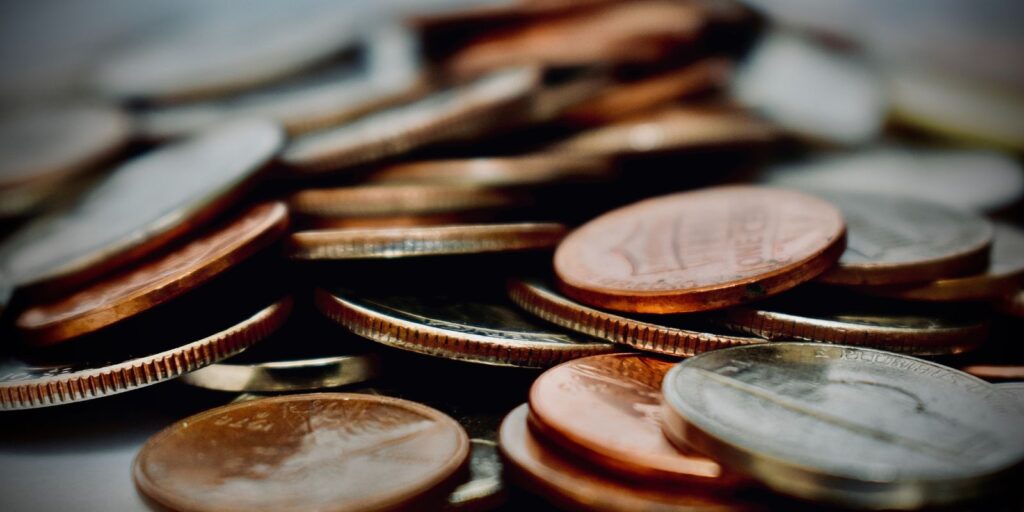
If you’ve just come back from holiday and found a pile of foreign coins in your pocket, you’re not alone.
Every time we go away, I try to use up every last bit of cash before flying home. And somehow I still end up back in the UK with €6.40, a couple of mystery coins, and no idea what to do with them.
You can’t usually exchange them. You don’t want to throw them away. And they’re not exactly life-changing money.
So what do you do with foreign coins in the UK?
Here are your real options.
What To Do With Foreign Coins in the UK
If you’re searching what to do with foreign coins, what to do with old foreign coins, or what to do with leftover foreign currency UK, these are your main choices:
• Donate them to charity
• Sell foreign coins online
• Keep them for your next holiday
• Give them to friends travelling abroad
• Use them for crafts or keepsakes
Let’s break it down properly.
👉 If you want to avoid coming home with leftover foreign currency next time, it’s worth using a fee-free card abroad. I’ve broken down the best debit cards to use abroad here.
Why you usually can’t exchange foreign currency coins
Most UK banks and high street exchange counters won’t accept foreign currency coins.
They’ll normally take notes. But coins are heavy, low value, and expensive to process and transport. For most exchange providers, it simply isn’t worth the cost.
That’s why so many people end up Googling what to do with international coins once they get home.
If you still have leftover foreign currency notes, those are much easier to exchange. Coins are the awkward bit.
Donate leftover foreign currency
If the amount is small, donating is usually the easiest option.
You’ve probably seen charity envelopes on flights or coin collection points at airports. Even if your coins made it home in your suitcase, you can still donate them.
Some UK charities and collection schemes accept mixed foreign currency and exchange it in bulk.
Examples include:
• Oxfam
• Royal National Institute of Blind People
• Family Holiday Charity
• Cash4Coins
Some local Post Office branches occasionally collect leftover foreign currency for charity, but this varies by location so it’s worth checking first.
If your only alternative is a drawer full of old foreign coins for the next five years, donating them is usually the simplest win.
Sell foreign coins
If you’d rather get something back, you can sell foreign coins — just manage expectations.
Specialist services like Leftover Currency will exchange coins from dozens of countries. The trade-off is the exchange rate. Because they deal with low-value coins, you’ll usually receive less than the live rate.
You also need to factor in postage. Sending coins securely means tracked and insured delivery, which reduces your return further.
However, if you’re in London, they may allow drop-offs at collection points. That can avoid postage costs entirely and makes it more worthwhile if you’ve got a heavy jar.
You can also try selling via eBay.
If you’ve got a large amount, search the term “kiloware.” That’s what collectors call bulk world coins sold by weight. Listing something like “1kg mixed world coin lot” often performs better than trying to sell small mixed batches individually.
Standard tourist change usually sells slightly under face value. Rare commemorative coins can occasionally do better.
And while we’re on coins — don’t forget to check your UK change too. Some British coins are genuinely valuable, which surprises a lot of people.
Keep them for your next holiday
If you regularly visit the same country, this is often the smartest move.
We tend to return to the same European destinations, so I now keep euros in a labelled envelope. Next trip, that’s airport snacks or a taxi sorted.
It doesn’t sound like much, but having €15–€20 ready when you land avoids poor airport exchange rates.
Just make sure you remember where you put them.
Give them to friends or family
If someone you know is heading to the same destination, pass the coins on.
It saves them withdrawing cash for small purchases and instantly solves your leftover currency problem.
You can swap at the current exchange rate if you want to be precise, but most people just treat it as a small favour.
A note on old currencies (like Croatian Kuna)
If you’ve got old foreign coins from countries that have changed currency, they may no longer be spendable.
For example, Croatia adopted the euro in 2023. Old Croatian Kuna coins are no longer accepted in shops. In most cases, they’re now only collectible or scrap value unless exchanged through official central bank channels.
So if you’ve got those sitting in a drawer, selling or donating may be your only realistic option.
What about small digital balances?
Leftover foreign currency isn’t always physical coins anymore.
If you’ve got small balances sitting in apps like Revolut or Wise, many now allow you to convert or donate tiny amounts directly inside the app.
That’s often easier than dealing with coins at all.
Personally, I now try to use fee-free debit cards abroad and withdraw smaller amounts of cash. It massively reduces the leftover currency problem in the first place.
The bottom line
Foreign coins aren’t useless — they’re just inconvenient.
If the amount is small, donate them.
If it’s larger, selling might make sense.
If you travel often, keeping them is usually smartest.
And if you want to avoid the problem entirely next time, use a fee-free debit card and withdraw less cash abroad.
Because most of us don’t need another envelope of old foreign coins sitting in the drawer next to the spare batteries.
Frequently Asked Questions
Can you exchange foreign coins in the UK?
In most cases, no. UK banks and high street exchange counters usually refuse foreign currency coins. Specialist services may accept them, but often at lower exchange rates and with postage costs.
What can I do with leftover foreign currency?
If you have leftover foreign currency coins, you can donate them, sell them via specialist services or marketplaces, keep them for a future holiday, or give them to someone travelling to that country. Notes are generally easier to exchange than coins.
Where can I donate leftover foreign currency in the UK?
Charities such as Oxfam, Royal National Institute of Blind People, Family Holiday Charity, and schemes like Cash4Coins may accept mixed foreign currency. Always check with your local branch first.
Is it worth selling foreign coins?
It depends on the amount. Small sums may not be worth the postage and fees. Larger quantities — especially sold as bulk “kiloware” on eBay or via Leftover Currency — may generate a modest return.