Why I Left the Civil Service (And What Happened Next)
Well, it’s official. I’m no longer employed and am now pursuing my side hustle full-time.
Walking away from a secure government job – and a very good pension – probably sounds reckless to some people. But after more than 20 years in the Civil Service, it was a decision I’d been slowly moving towards for a long time.
Have I really thought this through?
Probably not.
But here’s the story of how I ended up here.
A fairly fortunate life
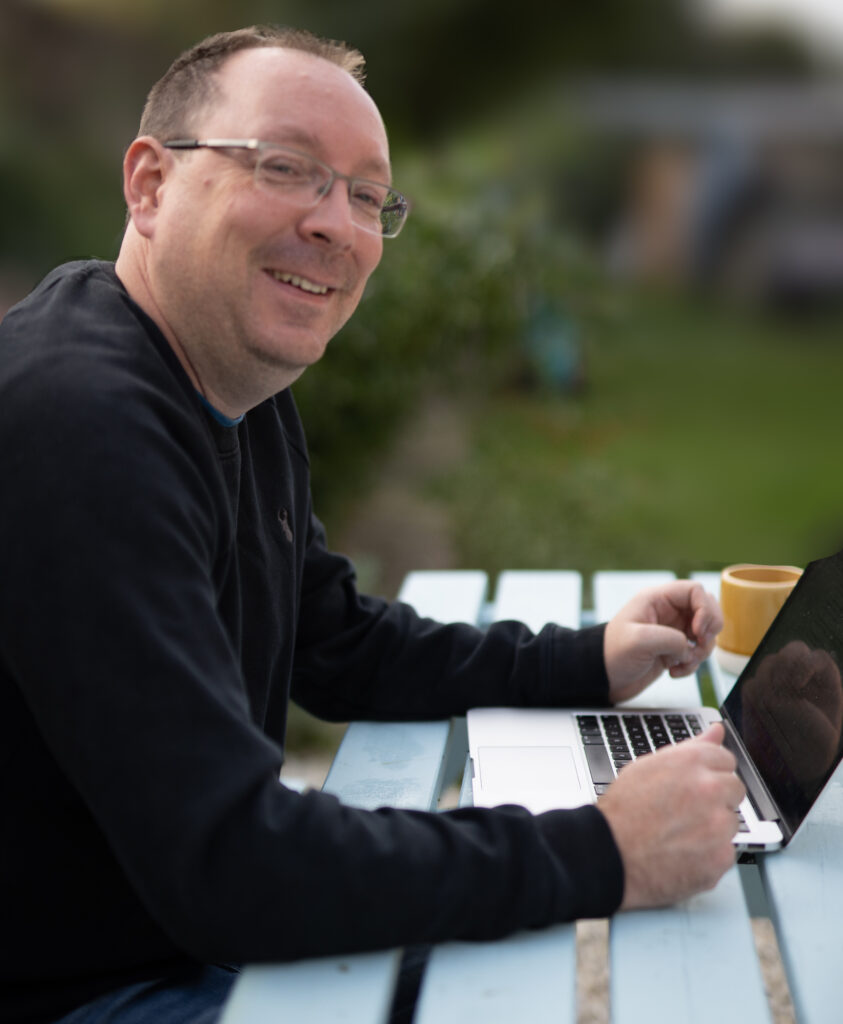
I’m not here to brag, as nobody wants to hear that, but I’ve generally been quite fortunate in life. I managed to get through school and university with minimal effort (although not with amazing grades), my parents always supported me with whatever I chose to do and I’ve been in a happy relationship since I was 18.
I say happy — it’s just that I forgot our safe word a couple of years in.
Oh, and I also have three children.
But it’s not all positive. I have a face meant for radio, with a hairline to match and the coordination of a drunk toddler. Which is a shame because I love football — but my brain and feet have very different ideas whenever I try to do something.
Also, my sense of humour seemed to stop developing when I reached about 11.
Over the years, I have come to terms with these defects, but one thing that has always bothered me… work.
I never enjoyed it.
Every day felt like a slog and I dreaded my alarm clock going off in the morning. It was very rare for me to come home and feel like I had made a real difference.
If I had a couple of weeks off work, I never felt refreshed going back. In fact, the longer I had off, the more I dreaded returning.
Job satisfaction was the one thing missing in my life. And the word one makes it sound small — but when you spend around 40 hours a week at work, it’s actually a very big thing.
For years, I convinced myself everyone else felt the same way.
Nobody enjoys their job, right?
Playing the safe game
I joined the Civil Service in 2002, not long after finishing university.
It wasn’t because it was my dream job. It was because I didn’t really know what I wanted to do in life. And the Civil Service came with two big advantages:
• A decent starting wage
• A pension that allowed me to retire at 60
But after a few months, I realised it probably wasn’t the career for me.
Not because it was a bad place to work — far from it. I just think people are naturally suited to certain roles in life, and this wasn’t mine.
But I stuck with it.
Even though I didn’t enjoy it, I knew there was an end point. If I could just keep going, I’d be able to retire at 60.
And who enjoys their job anyway?
Then in 2015, everything changed.
The pension age moved from 60 to 68.
Now, I know a lot of people were in the same boat. With the state pension age increasing, many people suddenly found themselves needing to work longer.
But I had spent years telling myself that the job would be worth it because I could finish earlier.
Suddenly I was facing nearly eight extra years.
To make things worse, my job could be physically demanding and involved night shifts. I struggled with those in my 30s, so the idea of doing them in my late 60s felt… optimistic.
Along came blogging
In 2016 I created this blog about ways to make and save money.
There were two main reasons for starting it.
The first was to share my journey through debt and how I managed to get myself out of it.
The second was to make a little bit of extra money.
My goal was simple. If I could earn around £200 extra per month, I could move roles at work and reduce the number of night shifts I was doing.
By the end of 2018, I had hit that goal.
I managed to switch departments and instead of working night shifts one in four weeks, it became one in ten.
Suddenly things improved.
Instead of constantly feeling tired but not being able to sleep before 1am, I managed to get back into a normal sleep pattern.
And for a while, I thought I was happy.
Then Covid happened
In 2020, like many people, I suddenly found myself working from home.
Apart from a small wobble at the beginning, I actually enjoyed it.
During work breaks I could throw a wash on or do five minutes of vacuuming instead of cramming everything into the evenings.
I also didn’t have a 90-minute daily commute, which meant I suddenly had a couple of extra hours free every day.
And that’s when things really started to change.
I began spending more time on the blog and also earning money from things like surveys, focus groups and website testing.
Over time, those little side hustles began to add up.
Traffic to the blog increased as well, and by the end of the year I invested in a course that helped improve my income significantly.
For a while, things were going incredibly well.
2022 – the breaking point
Then came 2022.
My role at work changed and something that I had previously disliked became something I genuinely hated.
At the same time, the cost of living was rising rapidly.
My pay rise that year worked out at about £5 per week.
Meanwhile, our household bills were jumping up everywhere — energy, fuel, food and mortgage rates. Milk alone was costing our family about £2.50 more each week.
It felt like a bit of a kick in the teeth.
It was also frustrating knowing that public sector pay had been lagging behind inflation for years. When I worked it out, if my salary had simply kept up with inflation since 2010, I would have been earning around £9,000 more per year.
So eventually I thought… sod it.
The moment I finally quit
After years of playing it safe, I decided to leave.
Some people said it was brave.
Others probably thought I was slightly mad.
But for the first time in my working life, I had something I genuinely enjoyed doing that was earning money.
Yes, I was giving up a good pension.
But should I really spend 46 years doing something I disliked just so I could retire a little earlier?
Only time would tell if it was the right decision.
A quick update – things changed
When I originally wrote this post, things were going extremely well with the blog.
Traffic was growing quickly and it looked like I had successfully replaced my Civil Service income.
But the internet changes fast.
Over the last few years, Google algorithm updates and the rise of AI-generated content have hit a lot of independent blogs hard — including mine. Traffic dropped and income from the site fell with it.
That’s the reality of online income. What works today doesn’t always work tomorrow.
But leaving the Civil Service still hasn’t been a mistake for me.
Instead of relying entirely on blogging income, my time is now split between helping my wife with her childminding business and earning money from things like surveys and website testing.
These are things I had been writing about on the blog for years anyway, so in a way I’m now living the advice I’ve shared with readers.
The income isn’t quite what it once was, but the flexibility is still worth a lot.
I get to spend more time with my family, help with the kids and avoid going back to a job that made me miserable.
And in many ways, that still feels like a win.
My words of wisdom
I would love to be able to tell you that anyone can quit their job and do what they like.
But the truth is, I don’t think everyone can.
My move into side hustling has been a mixture of luck, circumstances and many years of hard work.
Blogging worked extremely well for a while, but the internet changes quickly. Algorithms evolve, industries shift and income streams can rise and fall.
That’s why I now believe in having multiple ways to earn money rather than relying on just one.
If this is something you’re interested in doing, I’d suggest starting with a small side hustle alongside your job.
Even earning an extra £100–£200 per month can make a big difference to your finances.
And who knows… it might eventually lead somewhere bigger.
Good luck if you decide to take the plunge.