HyperJar vs GoHenry (2026): Which Kids Card Is Better?
If you’re trying to decide between HyperJar vs GoHenry, you’re not alone.
Most parents I speak to narrow it down to these two.
You want to give your child some independence.
You want control.
You don’t want to hand over your own debit card every time they want something.
And you definitely don’t want unnecessary monthly fees.
On the surface, HyperJar and GoHenry look similar. Both offer prepaid debit cards for kids with parental controls.
But they’re built for very different types of families.
This guide gives you a straight answer.

HyperJar vs GoHenry: Quick Answer

Choose GoHenry if you want:
• built-in financial education
• chore tracking and automated allowances
• ATM withdrawals
• a more structured learning system

Choose HyperJar if you want:
• no monthly fees
• a simple digital spending card
• strong budgeting control using jars
• a card mainly for online or contactless use
Now let’s break it down properly.
Quick Comparison Table (2026)
Feature | GoHenry | HyperJar |
|---|---|---|
Monthly Fee | £3.99 per child | Free |
Annual Cost | £47.88 per child | £0 |
Family Plan | £9.99/month (up to 4 kids) | No |
Physical Card | Free (standard) | £4.99 one-off |
ATM Withdrawals | ✅ Yes | ❌ No |
Chore Tracking | ✅ Yes | ❌ No |
Financial Education | ✅ Advanced | Limited |
Foreign Spending | Free | Free |
Card Network | Visa | Mastercard |
What’s the Main Difference?
GoHenry is designed specifically to teach children about money.
HyperJar is a budgeting app that added a kids card feature.
Both are FCA-authorised e-money providers. Funds are safeguarded (though not FSCS-protected like a traditional bank account).
Both are prepaid — your child cannot spend more than you load.
The real difference is purpose.
GoHenry is education-first.
HyperJar is spending-control-first.
Getting Started: Which Is Easier?
Setup verdict: Draw
Both apps take a few minutes to set up:
• Download app
• Verify parent ID
• Add child
• Card arrives in post
Neither requires your child to own a phone.
It’s straightforward with both.
Spending Control: Which App Gives Parents More Power?
Spending control verdict: HyperJar (for precision), GoHenry (for flexibility)
HyperJar
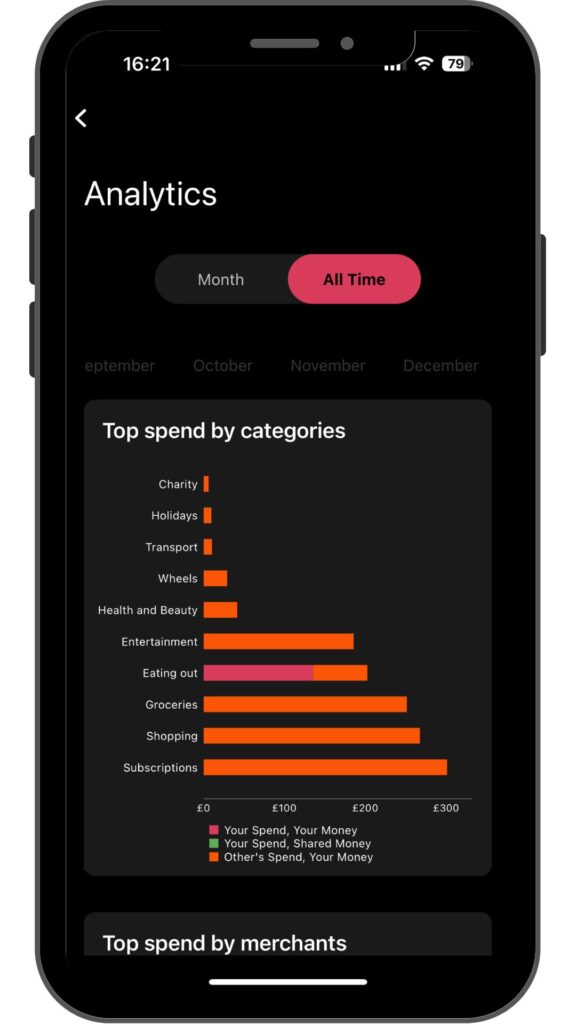
HyperJar uses “Jars”.
You can:
• Create separate jars (e.g. School, Clothes, Fun)
• Link the child’s card to a specific jar using Superlink
• Restrict spending to certain categories
• Move money instantly between jars
Transfers are effectively instant within the app.
It’s very controlled.
But there’s one limitation:
No ATM withdrawals.
This is a digital-first card. Ideal if your child mainly spends online (Roblox, subscriptions, Amazon) or uses contactless in shops.
GoHenry
GoHenry gives you:
• ATM withdrawals
• Instant notifications
• Store-level spending blocks
• Automated allowances
• Savings goals
It’s more flexible in day-to-day use.
If your child still needs access to cash occasionally, this matters.
Financial Education: Which Teaches More?
Education verdict: GoHenry (comfortably)
GoHenry’s “Money Missions” are the strongest built-in financial literacy tools in this space.
They cover:
• Saving
• Interest
• Budgeting
• Basic investing concepts
• Real-world money decisions
It’s gamified and structured.
HyperJar has basic spending insights and control — but it’s not built as a learning platform.
If your goal is building habits and understanding, GoHenry wins.
If you just want spending discipline, HyperJar is fine.
Costs: This Is Where the Decision Gets Real
Cost verdict: HyperJar (for one child), GoHenry Max (for large families)
GoHenry
• £3.99 per month per child
• £47.88 per year
• £9.99/month “Max” plan (up to 4 children)
For one child: nearly £48 per year.
For three children: £143.64 per year on standard plan.
For four children on Max: just under £120 total.
That Max plan changes the maths if you have a bigger family.
Costs: This Is Where the Decision Gets Real
Cost verdict: HyperJar (for one child), GoHenry Max (for large families)
GoHenry
• £3.99 per month per child
• £47.88 per year
• £9.99/month “Max” plan (up to 4 children)
For one child: nearly £48 per year.
For three children: £143.64 per year on standard plan.
For four children on Max: just under £120 total.
That Max plan changes the maths if you have a bigger family.
HyperJar
• No monthly fee
• £4.99 one-off physical card fee
That’s it.
Over five years, the difference between the two can easily exceed £200–£300 per child.
That’s not small change.
Who Should Choose HyperJar?
Choose HyperJar if:
• You don’t want ongoing fees
• You’re comfortable with digital-only spending
• Your child doesn’t need ATM access
• You prefer tight spending control over education tools
• You’re already using HyperJar for your own budgeting
It’s simple. Cheap. Controlled.
Who Should Choose GoHenry?
Choose GoHenry if:
• You want structured financial education
• Chore tracking matters
• ATM withdrawals are important
• You want automated allowances
• You don’t mind paying for extra features
If you treat it like a learning tool, it can justify the cost.
What About Alternatives?
If you’re searching for an alternative to GoHenry, one worth considering is:
It’s free for NatWest, RBS and Ulster Bank customers.
If you already bank with them, Rooster can undercut both HyperJar and GoHenry while still offering chore tracking and education tools.
I’ve broken that down properly in my full comparison post.
Overall Winner: HyperJar vs GoHenry
Overall verdict: GoHenry (for features), HyperJar (for value)
This isn’t a landslide either way.
GoHenry wins on:
• Education
• Features
• Flexibility
• Cash withdrawals
HyperJar wins on:
• Simplicity
• Cost
• Digital control
If I had one child and cared mainly about money lessons, I’d lean GoHenry.
If I just wanted to stop handing over my own debit card and avoid paying £48 a year, HyperJar makes more financial sense.
Ready to Try One?
Further reading
If you want more detail before deciding, you can read my full breakdowns:
• My complete GoHenry review
• My full HyperJar review
FAQs
Is HyperJar better than GoHenry?
HyperJar is better value because it has no monthly fee (just a £4.99 one-off card cost). GoHenry offers more features, including ATM withdrawals and built-in financial education.
Is GoHenry worth £3.99 per month?
GoHenry can be worth it if you actively use the chore tracking, savings goals and Money Missions education tools. If you only need a simple spending card, HyperJar is cheaper.
Can children withdraw cash with HyperJar?
No. HyperJar does not allow ATM withdrawals. It’s designed primarily for online and contactless spending.
What is the best alternative to GoHenry?
HyperJar is the best free alternative. NatWest Rooster Money is also worth considering, especially if you bank with NatWest, RBS or Ulster Bank.
Are HyperJar and GoHenry safe?
Both are FCA-authorised e-money providers. Funds are safeguarded but not covered by the FSCS like a traditional bank account.
What age is GoHenry and HyperJar for?
Both apps are available for children aged 6 and over.