Best Petrol Discounts UK (2026 Guide): Cut the Cost of Diesel & Petrol
Fuel is one of those costs you can’t avoid.
You can switch broadband. You can cancel Netflix. But if you drive, you’re filling up, and it adds up fast.
In our house we spend somewhere between £180 and £220 a month on petrol and diesel. That’s well over £2,000 a year just to keep the car moving. So even shaving a few pence off each litre makes a difference.
If you’ve been looking into petrol card discounts or wondering what the best way to cut your fuel bill actually is, here’s the honest answer:
There isn’t one magic card.
The real savings come from combining the cheapest pump price with loyalty schemes, cashback and occasional supermarket offers.
Done properly, that can knock 3–8% off your annual fuel spend, without changing how you drive.
Let’s break down what actually works in the UK right now.
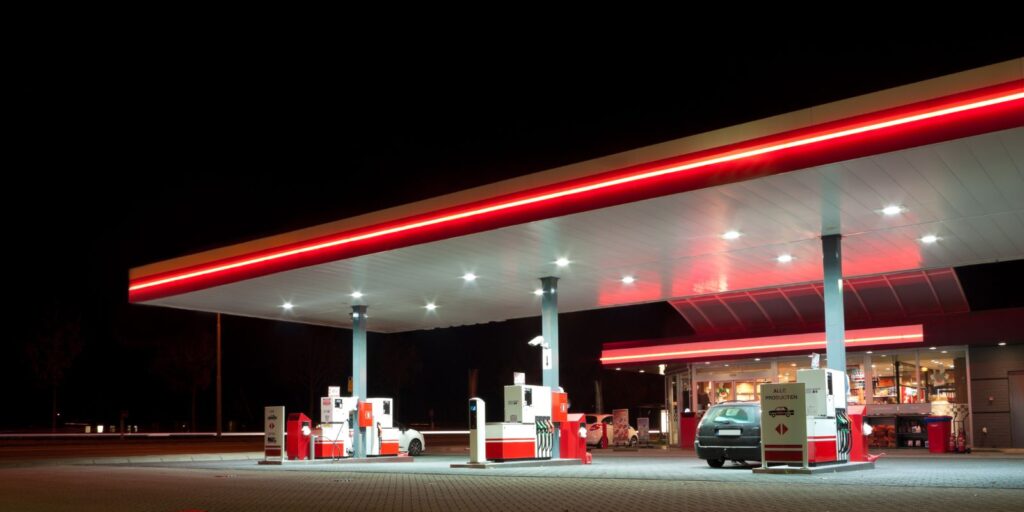
Quick Answer: What’s the Best Petrol Discount?
For most drivers, the biggest savings come from stacking:
- The cheapest local pump price (using live price apps)
- A loyalty scheme (Nectar at Esso is strong for larger fill-ups)
- A 1% cashback card
- Occasional supermarket 5p promos
Used together, that can realistically cut 3–8% off your annual fuel spend.
No gimmicks. Just small consistent wins.
Step 1: Always Find the Cheapest Pump First (Now Easier Than Ever)
This is more important than any loyalty scheme.
Thanks to the UK’s Fuel Finder scheme, petrol stations are now required to report price changes digitally. That means apps like:
• Google Maps
• Waze
• PetrolPrices
are pulling live data directly from forecourts.
No more guesswork.
The Competition and Markets Authority estimates that simply choosing the cheapest station within a short drive can save around £40 per year for the average household.
I now check prices before leaving the house. It takes 30 seconds and often saves more than any points scheme.
Never skip this step.
Are Petrol Cards Worth It?
If you’re specifically searching for a petrol card discount, here’s the straight answer:
Most UK petrol cards are built for businesses.
They’re useful for:
• Fleet management
• VAT reclaim
• Consolidated invoicing
• Fixed weekly pricing
They often come with admin requirements and sometimes fees.
For private drivers, they rarely beat:
Cheapest pump + loyalty + cashback.
Unless you’re running a van fleet, traditional fuel cards are usually not the best discount for petrol.
Fuel Loyalty Schemes Compared (Quick View)
Scheme | Typical Reward | Best For | Verdict |
|---|---|---|---|
1p per litre | Simple returns | Solid | |
5p per litre (swap 300 points) | 30L+ fill-ups | Strong | |
~0.5p–1p per litre | Regular BP users | Conditional | |
Points-based | Frequent Shell customers | Moderate | |
Points (boostable) | Tesco shoppers | Mild | |
5p per litre (promo) | Grocery shoppers | Good (when live) | |
Lower pump price | Nearby members | Excellent (location dependent) |

Pros
✅ Clear 1p per litre return
✅ Flexible redemption options
✅ Easy to understand
Cons
❌ Limited to Texaco locations
❌ No stacking bonus system
Texaco Star Rewards
Reward type: 1p per litre
Typical value: Direct fuel credit or gift cards
Best for: Simple, predictable returns
Texaco keeps things easy. You earn 1p for every litre purchased. Once you hit £5, you can redeem it for money off fuel or gift cards such as M&S, Argos or Love2Shop.
There’s no complicated maths and no need to optimise redemptions.
If Texaco’s pump price is competitive locally, this is one of the more transparent loyalty schemes.

Pros
✅ Strong value on larger fill-ups
✅ Easy to stack with cashback
✅ Nectar points usable elsewhere
Cons
❌ Not valid at Sainsbury’s petrol sites for the 5p swap
❌ Requires point tracking
Esso + Nectar
Reward type: 2 Nectar points per litre
Typical value: 5p per litre when swapping 300 points
Best for: Larger 30L+ fill-ups
Esso allows you to collect Nectar points on fuel purchases. The smart move is swapping 300 points for 5p off per litre at Esso stations.
It only makes financial sense on fill-ups over 30 litres, and the discount typically applies to the first 60 litres.
For bigger tanks or family cars, this can be one of the strongest petrol discounts available — especially when combined with cashback.

Pros
✅ Simple app
✅ Points on shop and fuel
✅ Regular user bonuses
Cons
❌ Moderate reward rate
❌ Not worth driving further for
BPme Rewards
Reward type: Points system
Typical value: Roughly 0.5p–1p per litre equivalent
Best for: Drivers who already use BP
BPme lets you collect points on fuel and in-store purchases. Points can be converted into vouchers or used to reduce your fuel bill.
It’s straightforward and easy to use through the app. The returns aren’t huge, but if BP is local and convenient, it’s a decent background saving.
This is a “why not?” scheme rather than a game-changer

Pros
✅ Points on fuel and shop purchases
✅ Boosted member promotions
✅ Easy app tracking
Cons
❌ Value depends heavily on local pricing
❌ Rewards aren’t headline-grabbing
Shell Go+
Reward type: Points per litre + in-store spend
Typical value: Variable (convert points into money off fuel)
Best for: Regular Shell customers
Shell Go+ now runs on a points system. You earn points on every litre of fuel and every pound spent in-store, which can then be converted into money off future fuel purchases.
Shell also runs occasional “Member Weeks” where you can earn boosted points or extra perks.
If Shell is competitively priced near you, it’s worth joining. If it’s consistently more expensive than supermarkets locally, the points usually won’t bridge the gap.
Pros
✅ Simple earning system
✅ Partner boosts increase value
✅ Integrates with regular grocery spend
Cons
❌ Lower direct fuel discount
❌ No guaranteed pence-per-litre saving
Tesco Clubcard
Reward type: Clubcard points
Typical value: Small return unless boosted with partners
Best for: Regular Tesco shoppers
You earn Clubcard points when buying fuel at Tesco. The return isn’t massive on fuel alone, but the value increases if you exchange vouchers with Clubcard partners.
Some Esso stations with Tesco Express stores also accept Clubcard vouchers.
If you’re already shopping at Tesco weekly, it’s an easy background reward.

Pros
✅ Straightforward pence-per-litre saving
✅ Easy to understand
✅ Stackable with cashback
Cons
❌ Not always running
❌ Requires qualifying shop spend
Morrisons Fuel Offers
Reward type: Promotional discount (often 5p per litre)
Typical value: 5p per litre when active
Best for: Shoppers already spending in-store
Morrisons frequently runs promotions where spending a set amount in-store unlocks 5p per litre off fuel.
These offers tend to be digital via the Morrisons More app and aren’t permanent.
When active, they’re worth using — especially if you were already doing a grocery shop.
Pros
✅ Consistently low pricing
✅ No points optimisation required
Cons
❌ Membership required
❌ Limited locations
Costco (Bonus Section)
Reward type: Lower pump price
Typical value: Often 5–12p per litre cheaper
Best for: Drivers living near a Costco
Costco doesn’t run a loyalty scheme, it simply undercuts most local stations on pump price.
If you live near one and already have membership, it’s often the cheapest fuel available.
Just factor in travel distance and membership cost.
Extra Ways to Save Money on Diesel
1. Use a 1% Cashback Card
This is the “base layer” of fuel savings.
If you spend £200 a month on fuel, 1% cashback = £24 per year.
We use cashback wherever possible. Once set up, it runs in the background.
Take a look at my review of the Chase bank account and how to earn your 1%.
2. Scan Your Fuel Receipts
Receipt apps reward you for uploading photos.
It’s small money. But it stacks.
And stacking is the theme here.
A Word of Warning on Fuel Prices
Fuel prices move for many reasons — wholesale markets, exchange rates, taxation.
There has been discussion about fuel duty increases returning in the future after temporary cuts. If that happens, pump prices will rise across the board.
That’s exactly why building in loyalty and cashback layers now makes sense.
You can’t control fuel duty.
But you can control whether you’re paying full price.
How Much Can You Realistically Save?
Let’s assume:
Annual fuel spend: £2,000
You manage:
• 3p average loyalty saving
• 1% cashback
• Occasional 5p promo
You’re realistically saving £80–£150 per year.
That’s not life-changing.
But it’s automatic once set up.
And in our house, that easily covers a week’s groceries.
Final Verdict: What’s the Best Petrol Discount?
There isn’t one magic petrol card.
The best discount for petrol in the UK right now is:
Live price comparison
- Nectar (for larger fill-ups)
- Cashback
- Supermarket promos
If you’re not stacking those, you’re probably overpaying.
Set it up once.
Let it run.
And stop paying more per litre than you have to.
Further reading
If you’re a car owner, check out these simple tips to reduce your car insurance.
FAQs
What is the best petrol card discount in the UK?
For most private drivers, traditional petrol cards don’t offer the biggest savings. The best results usually come from combining the cheapest local pump price with loyalty schemes like Nectar at Esso and a cashback card.
Are petrol cards cheaper than paying at the pump?
Petrol cards are mainly designed for businesses and fleet drivers. They can simplify VAT and invoicing, but for everyday drivers they rarely beat supermarket fuel plus cashback.
How can I save money on diesel?
Start by checking live local fuel prices, then stack loyalty schemes and cashback. Diesel discounts work exactly the same way as petrol — it’s about layering savings.
Is it worth switching petrol stations for a cheaper price?
Yes — if the station is genuinely nearby. Even a 5p per litre difference can save £2–£3 on a typical fill-up, but it’s not worth a long detour.
Do supermarket fuel promotions still offer 5p per litre off?
Yes, but they’re usually short-term promotions and often digital. Morrisons runs them most frequently, typically tied to minimum grocery spend.